Designing the Perfect Campervan Layout
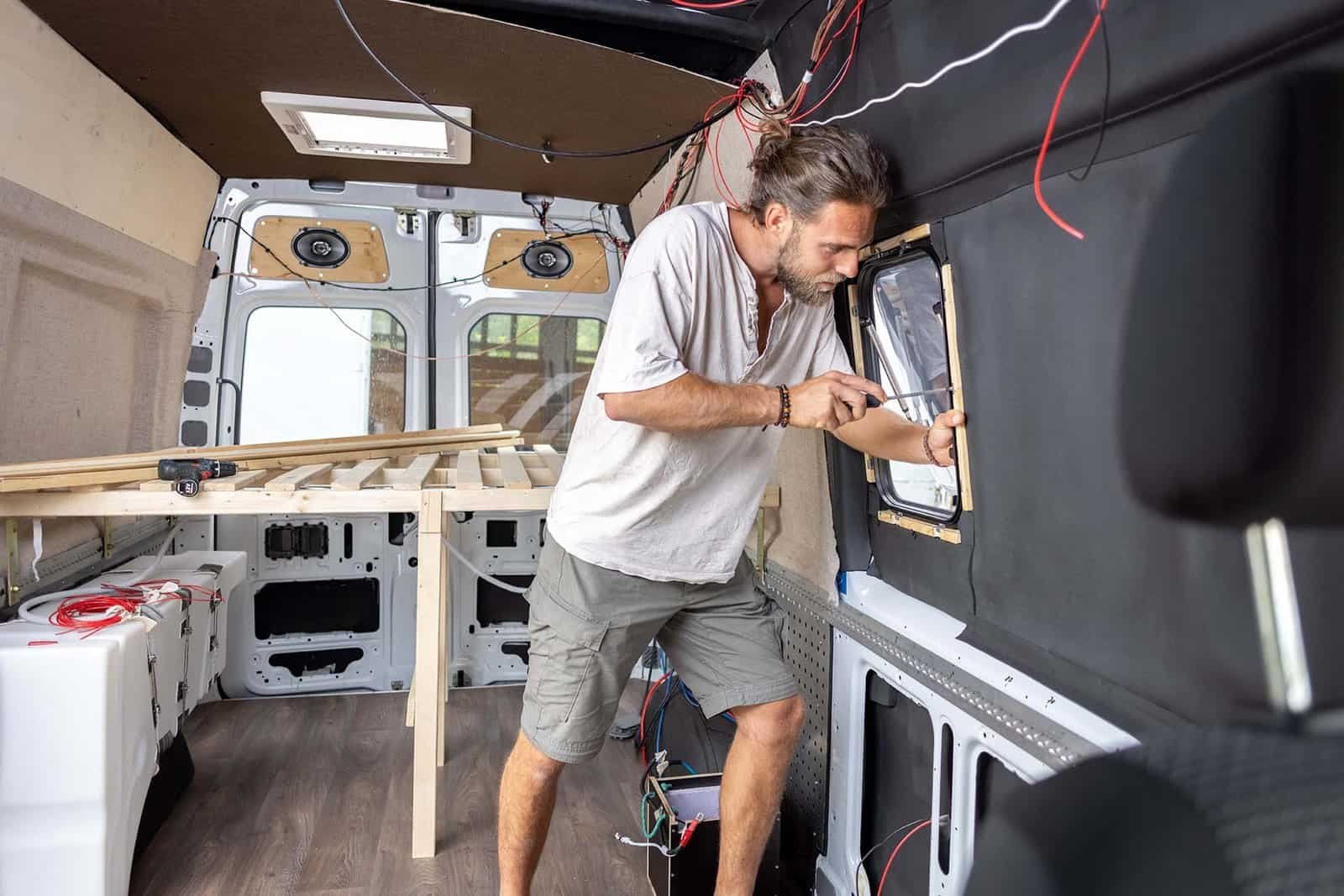
Layout is the heart of a campervan conversion. You can have the best electrics, premium insulation, and clever gadgets, but if the layout doesn’t work for your lifestyle, the van won’t feel right. Poor layouts mean wasted space, cramped living, and endless frustration. A good layout, on the other hand, transforms a box on wheels into a practical, comfortable rolling home.
Every van has limits. UK roads favour smaller vans for manoeuvrability, but this reduces internal space. Long wheelbases offer more room but make parking harder. Getting the balance right between size, functionality, and comfort is critical. That’s why planning layouts isn’t just about sketches - it’s about realistically matching your needs to the constraints of your chosen van base.
Lifestyle drives layout choices more than anything else. Solo travellers may value flexibility and compact setups, while couples often prioritise fixed beds. Families need bunk systems or convertible spaces, and pet owners design with dog beds or crates in mind. Hobbies also matter - cyclists need garage storage, remote workers need desks, and surfers need space for boards.
A common beginner mistake is prioritising style over practicality. Huge beds leave no room for storage, while oversized kitchens make living spaces unusable. Instagram shows polished conversions with fairy lights and rustic wood, but the day-to-day reality is more about storage, workflow, and ergonomics. A layout that looks great but doesn’t function will quickly drive you mad on the road.
Another overlooked factor is classification. Layout choices can affect DVLA approval and insurance. A fixed bed and permanent cooking setup may help qualify as a motor caravan, while modular layouts sometimes don’t meet requirements. See Campervan Insurance UK: Complete Breakdown for how layout impacts policies. Building with regulations in mind avoids rejections or expensive insurance mistakes later.
This guide breaks down everything you need to design the perfect layout. We’ll cover beds, kitchens, storage, seating, bathrooms, safety, and stealth. We’ll also look at digital planning tools and real-world examples from UK van builds. By the end, you’ll know how to balance comfort, functionality, and compliance, creating a layout that truly works for your lifestyle.
Most importantly, we’ll show how to avoid common layout mistakes and future-proof your design. A van layout should evolve with you - adaptable enough for long trips, short escapes, and life changes along the way. Get it right, and you’ll create a van that feels like home every time you slide the door shut.
Planning Your Layout: Lifestyle First
Before sketching a single line, ask yourself: How will I use this van? Lifestyle drives layout more than van size or budget. A weekend camper can prioritise simplicity, while full-time vanlifers need durability and storage. Forget Instagram trends - your van should serve your daily reality, whether that’s long commutes, festivals, family holidays, or months of remote working on the road.
Solo travellers often choose flexible layouts. Convertible beds double as sofas, kitchens are compact, and storage is minimal. This prioritises living space while keeping weight low. Couples usually lean toward fixed beds - climbing over each other every morning gets old quickly. Families, on the other hand, need bunk setups or convertible dinettes that maximise space while accommodating multiple sleepers comfortably.
Pets influence layouts too. Dog owners often design dedicated spaces under beds or near doors for easy outdoor access. Cat owners sometimes add litter tray cubbies. Ignoring pets in planning leads to clutter and frustration. Think about their needs - ventilation, bedding, storage for food - and integrate them early. A layout that works for everyone makes vanlife smoother for the whole crew.
Hobbies play a big role. Cyclists often dedicate “garage” space beneath a fixed bed for bikes. Surfers may prioritise longer storage areas for boards. Musicians require space for instruments. Remote workers need a fold-out desk or fixed workstation. These lifestyle-driven features determine layout more than aesthetics. Sacrificing storage for style often means compromising on the very activities you bought the van for.
Storage isn’t just about hobbies - it’s about day-to-day life. Full-time vanlifers need wardrobe space, organised kitchen storage, and areas for cleaning supplies. Weekenders can get away with a box of clothes and a coolbox. See Essential Tools & Materials for DIY Conversions for advice on sourcing durable storage materials. Layout planning means anticipating everything you’ll carry.
Budget impacts layout as well. Fixed beds, full kitchens, and bathrooms all cost more in materials and systems. If your budget is tight, prioritise what adds the most value to your experience. A decent bed, insulation, and simple kitchen may beat a cramped wet room. Start simple and expand later - layouts can evolve as funds allow.
Another key factor is stealth vs campsite living. If you plan to wild camp in cities, layouts with hidden kitchens and minimal windows are essential. If you’ll mostly use campsites, larger windows, skylights, and open seating make sense. See Insulation & Soundproofing for Campervans for stealth insulation tips that also boost comfort.
Future-proofing matters. A layout that works for a 20-something couple may not suit when kids arrive, or when remote work becomes essential. Designing modular systems - removable beds, fold-out desks, flexible kitchens - keeps your van adaptable. While permanent furniture looks sleek, it often locks you into a lifestyle that may change faster than you expect.
Weight distribution is an often-overlooked lifestyle factor. If you carry bikes, water tanks, or heavy tools, plan layouts that spread weight evenly. Overloaded rears or unbalanced sides affect handling and safety. See Complete Campervan Conversion Guide UK for guidance on safe weight distribution across a build. Your lifestyle choices directly affect how your van drives.
The final step is testing ideas before committing. Use cardboard boxes, tape, or even chalk outlines on the floor to mock up layouts. Live with the space for a day - can you cook, relax, and sleep without frustration? This low-cost test reveals flaws early, before you cut timber or drill holes. Lifestyle-first design means living the layout before building it.
Beds: Fixed, Rock’n’Roll, or Convertible
Beds are the biggest space-taker in a van, so your choice shapes the entire layout. Go too big, and you’ll sacrifice kitchen or living areas. Go too small, and you’ll regret every cramped night. The three main options - fixed, Rock’n’Roll, or convertible - each suit different lifestyles, van sizes, and budgets. Understanding the pros and cons ensures you don’t build a bed you’ll later resent.
Fixed beds are the go-to for couples and full-timers. The appeal is simple: no faffing around at night. A permanent bed offers consistent comfort and better mattress options. It also creates “garage” space underneath, perfect for bikes, water tanks, or bulky gear. The trade-off? Fixed beds consume a huge chunk of floor space, limiting living or social areas in smaller vans.
Fixed beds come in several setups. Transverse beds run across the van, saving length but requiring a wider body for comfort. Longitudinal beds run lengthwise, taking up more space but avoiding cramped sleeping. Elevated fixed beds free storage underneath, while “French” corner beds save space with cut-off corners. Each variation balances comfort against usable living area differently.
Rock’n’Roll beds are common in smaller campers, especially VW Transporters. These fold from seats into beds quickly, offering a hybrid between sleeping and social space. They’re practical for short trips and weekend vans, but less comfortable long term. Foam thickness is often limited, leading to poor sleep quality. For daily use, most vanlifers prefer more supportive fixed or convertible setups.
Rock’n’Roll beds shine where flexibility is key. Families often use them for rear seating with seatbelts, keeping the van legal for passengers. They’re also DVLA-friendly, ticking the “permanent seating and sleeping” boxes. See Complete Campervan Conversion Guide UK for how these beds help with reclassification. If you need both passenger seats and a bed, this is a versatile option.
Convertible beds use pull-out slats or fold-down mechanisms to transform benches or sofas into beds. These maximise daytime living space, creating dinettes, lounges, or work areas. At night, they slide or fold into double beds. The downside is daily setup - pulling cushions, rearranging slats, and remaking beds. Over time, this constant effort becomes tiring, especially for full-time living.
Convertible systems work best in medium and long-wheelbase vans. They allow flexibility - lounging by day, sleeping by night - without sacrificing comfort entirely. Designs vary from U-shaped dinettes to sofa beds. Clever builds even integrate hidden storage into slat systems. They’re a strong choice for people who value living space as much as sleeping comfort.
Storage trade-offs differ across bed types. Fixed beds provide large, hidden garages but consume interior space. Rock’n’Roll setups limit under-bed storage but give rear seating. Convertible systems often mean less garage space but more interior flexibility. See Building Beds & Storage Systems for guidance on making the most of whichever option you choose.
Comfort should never be compromised. Many Rock’n’Roll or convertible setups rely on thin foam cushions. Investing in high-density foam or custom mattresses massively improves sleep quality. After all, poor sleep makes vanlife miserable. If budget allows, prioritise mattress quality - it’s one of the most used features of your van, even more than your fridge or cooker.
Bed height also matters. Higher fixed beds allow garage space but reduce headroom for sitting up. Lower beds improve comfort but limit storage. Convertible systems offer flexibility but need precise planning to avoid awkward heights when folded. Think about how you’ll use the bed beyond sleeping - lounging, reading, or working - when deciding height and configuration.
Legal and safety considerations also apply. Passenger seats must be crash-tested, so DIY Rock’n’Roll beds without certification may not meet UK regulations. Insurers often reject untested seating conversions. If your van doubles as family transport, always buy crash-tested frames and ensure professional fitting. Comfort is important, but legal compliance and safety come first.
Cost varies widely. A DIY slat bed might cost under £200 in timber and fixings. Certified Rock’n’Roll frames run £800 - £1,500. Fixed beds can be cheaper but eat more space. Balancing cost against comfort, safety, and functionality ensures you don’t waste money. Beds are one area where spending more usually pays off, especially for long-term vanlife.
Ultimately, the best bed setup depends on how you’ll use your van. For full-timers, a fixed bed with garage storage is king. For weekenders, Rock’n’Roll or convertible setups maximise flexibility. Families may need a mix - Rock’n’Roll rear seats with bunks above. The right choice is the one that supports your lifestyle, not the one that simply looks good online.
Kitchens & Cooking Setups
Kitchens are where lifestyle differences really show in campervan layouts. Some vanlifers are happy with a camping stove and coolbox; others demand a full galley with fridge, oven, and sink. Your cooking habits and travel style dictate what you need. A poorly planned kitchen wastes space and energy, while a well-designed setup makes life on the road far easier.
Space is the first consideration. In smaller vans, compact galleys or pull-out kitchens maximise floor area. Larger vans can afford full-length kitchen units with storage and appliances. Don’t copy Instagram blindly - design around how you cook. If you live on pasta and sandwiches, a two-ring hob and fridge may suffice. If you’re a foodie, you’ll want more counter space.
Cooking fuel choice shapes layout. Gas hobs are the most common, offering reliable heat and low running costs. They require proper installation and ventilation, plus certification if fixed. Induction hobs are growing in popularity, especially with large solar and lithium setups. They’re safe, clean, and efficient - but power-hungry. Choose based on your electrical system. See Campervan Electrical Systems Explained.
Some builders use portable stoves instead of fixed hobs. These are flexible, allowing cooking indoors or outside. They’re cheap and require no certification, but they reduce the “motor caravan” classification chances with DVLA. See Campervan Insurance UK: Complete Breakdown for how this impacts policy acceptance. If DVLA approval matters, a fixed cooking facility is usually required.
Sinks and taps are optional, but most vanlifers include them. Even a small sink makes washing up easier and more hygienic. Paired with a simple pump and water container, it doesn’t need to be complex. Larger builds may add pressurised systems with hot water. See Campervan Plumbing & Water Systems Guide for installation and costs.
Fridges are another big decision. Coolboxes are fine for weekenders, but compressor fridges are more efficient for long-term vanlife. Absorption fridges work on gas or electric but require ventilation. Each type affects layout differently - coolboxes can slide under benches, while compressor fridges often sit in galley units. Pick one that suits your power and space.
Counter space is often underestimated. Without worktop area, prepping food is frustrating. Fold-down extensions or pull-out chopping boards add functionality without using extra floor space. Magnetic knife strips, hanging baskets, and wall racks free counters for actual cooking. Smart design means you don’t need a huge kitchen to cook comfortably - you just need efficient use of space.
Indoor vs outdoor cooking also affects layout. Some vanlifers prefer rear pull-out kitchens that slide out of the boot, leaving interior space free. These work well in summer but are miserable in a British downpour. Indoor galleys, while bulkier, are far more practical in the UK. Hybrid systems - indoor hob plus outdoor BBQ - offer the best of both worlds.
Ventilation is essential for safe cooking. Even small hobs produce steam and condensation, while gas stoves generate carbon monoxide. Roof fans or skylights above the kitchen remove moisture and fumes. See Campervan Ventilation Fans & Skylights for best placements. Skipping ventilation not only risks damp, but also endangers your health.
Storage must fit your cooking style. Pan drawers, cutlery trays, spice racks, and food cupboards all take space. For minimalists, a single cupboard works. For foodies, clever stacking and pull-out pantries are lifesavers. See Building Beds & Storage Systems for ideas on integrating kitchen storage into wider furniture builds.
Budget dictates how elaborate your kitchen can be. A simple jerrycan sink and camping stove might cost £100. A full galley with fridge, gas hob, sink, and storage can run £1,000+. High-end builds with induction and hot water cost more again. Whatever your budget, prioritise safety - certified gas fittings and secure appliances save money and stress long term.
Finally, think long term. You may not cook much now, but vanlife often encourages self-sufficiency. Eating out daily drains money quickly. A functional kitchen saves money, improves health, and boosts van resale value. Plan for how you might use your van in the future, not just how you use it today.
Storage Solutions That Work
Storage makes or breaks campervan layouts. Without it, clutter quickly takes over, turning your van into a rolling shed. Good storage keeps essentials accessible while hiding bulkier gear. The challenge is squeezing cupboards, drawers, and “garage” space into tight vans without sacrificing comfort. Every inch counts, and clever design ensures your van feels like home rather than a cramped mess.
Overhead cupboards are a staple. Mounted along walls or above the kitchen, they store lightweight items like food, clothes, or bedding. Proper catches stop them swinging open while driving. Too many overhead units, however, make interiors feel claustrophobic. Balance is key: enough cupboards for storage, but not so many that they shrink the living space or increase top-heavy weight.
Under-bed storage is king in fixed-bed layouts. This “garage” space holds bulky gear like bikes, water tanks, or outdoor equipment. It’s the most efficient way to store large items without cluttering living areas. Access doors at the rear make loading easy, while side hatches provide interior access. Fixed beds without under-storage waste massive potential for space efficiency.
Wheel arch boxes are another clever solution. They cover awkward spaces while doubling as storage bases for beds or seating. Boxing in arches reduces noise, provides insulation, and creates practical cupboards. Many builders add hatches, drawers, or flip-up lids to these boxes. See Insulation & Soundproofing for Campervans for how to insulate arches properly before boxing them in.
Drawers are often better than cupboards. Pull-outs use space more efficiently, letting you access items at the back without digging. Deep drawers beneath benches or beds make excellent storage for pots, pans, or clothes. Soft-close runners stop rattling on the road. While slightly more complex to build, drawers transform usability compared to traditional cupboard doors.
Hidden storage maximises every inch. False floors, hollow seats, or removable panels provide discreet spots for valuables. Safe boxes bolted to van frames protect passports, electronics, or cash. These don’t just add practicality - they boost security. See Theft Prevention: Locks, Alarms & Trackers for more on protecting valuables while travelling.
Vertical space is often overlooked. Hanging organisers, nets, and pouches turn walls and ceilings into storage. They’re ideal for toiletries, shoes, or lightweight kitchen gear. Magnetic strips hold knives or tools, while elastic bungees stop items falling during travel. These inexpensive solutions declutter surfaces without taking up precious floor area, making them popular in budget and family builds.
Weight distribution matters in storage design.
https://theferalway.com/designing-the-perfect-campervan-layout/


Comments
Post a Comment