Essential Tools & Materials for DIY Conversions
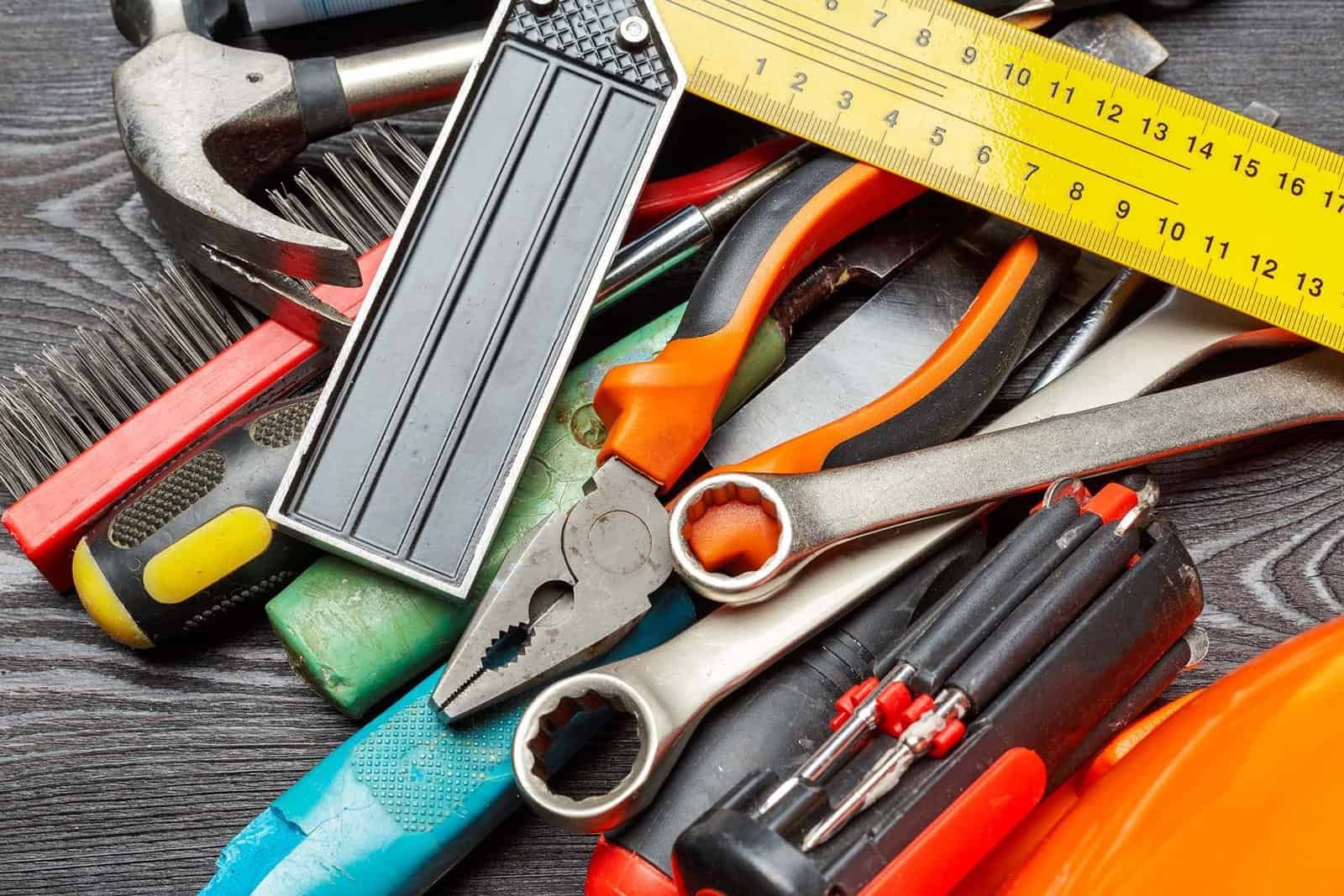
Every successful campervan conversion starts with the right tools and materials. Without them, even the best plans fall apart - literally. Using the wrong adhesive, skimping on fasteners, or relying on blunt saws leads to frustration, wasted money, and unsafe builds. Whether you’re a first-time DIYer or a seasoned tradesperson, knowing which tools and materials you truly need is essential.
The UK market offers plenty of options, from budget gear at B&Q and Screwfix to specialist van conversion suppliers like Kiravans. Choosing where to spend and where to save is tricky. Cheap tools can break mid-build, delaying progress. On the flip side, overspending on premium kit isn’t always necessary. This guide helps you strike the right balance between cost and quality.
Materials are just as important. The wrong timber warps, cheap sealants fail, and unsuitable insulation causes condensation problems. Using proper, van-suitable materials ensures your build lasts through years of British weather. Many DIY builders discover too late that cutting corners here costs more down the line. Investing wisely at the start saves both money and headaches.
Safety is a major factor. Vans are small, enclosed spaces, so using low-VOC adhesives, fire-resistant insulation, and secure fixings matters more than in home DIY. Electrical and plumbing components must meet UK standards to prevent dangerous failures. Choosing proven, certified products keeps your van safe while protecting its resale value. Safety is one area where “cheap and cheerful” simply doesn’t cut it.
Common beginner mistakes include buying tools as they go, rather than planning a complete kit. This slows progress and leads to mismatched equipment. Others underestimate how many fixings, adhesives, and consumables they’ll need. Screws, sealant, and tape vanish fast in a build. Planning ahead ensures you’re not constantly dashing to Screwfix halfway through the job.
This guide breaks down every category of tools and materials you’ll need for a DIY conversion. From hand tools and power tools to timber, insulation, plumbing, and electrics, we’ll cover it all. We’ll also show you where to source them in the UK, when to buy budget, and when premium gear is worth every penny.
By the end, you’ll have a clear roadmap of the essential tools and materials for a safe, practical, and comfortable build. You’ll also avoid the pitfalls of buying the wrong products or overspending where it isn’t needed. Think of this guide as your shopping list, safety manual, and time-saver rolled into one.
Core Hand Tools Every Van Builder Needs
Before you start cutting timber or fixing insulation, you’ll need a solid set of hand tools. Power tools get all the glory, but it’s hand tools that keep a build moving. From saws to screwdrivers, these basics are non-negotiable. Skimping here leads to sloppy work, wasted materials, and endless frustration. A proper toolkit is your foundation for a safe and efficient conversion.
A good handsaw is essential. You’ll use it for trimming battens, cutting ply, or shaping odd pieces where power tools can’t reach. Keep it sharp, and buy one designed for both cross-cutting and rip-cutting if possible. For precision work, a small pull saw is worth adding. Even in a power-tool-heavy build, a dependable saw saves time.
Measuring and marking tools are just as important. A steel tape measure, combination square, and spirit level are must-haves. Accuracy is everything in a van - being a few millimetres out on cuts can throw off entire builds. Many DIYers overlook chalk lines, but they’re brilliant for marking long, straight runs when cutting ply or framing.
A set of screwdrivers is non-negotiable. UK vans often use a mix of Phillips, flathead, and Torx screws. Invest in a decent multi-bit set to avoid rounding fasteners. Ratcheting screwdrivers speed things up and save your wrists. Even if you rely on cordless drills, hand drivers give you the control needed for delicate jobs and finishing touches.
Socket sets and spanners are vital for removing and fitting van trim, fixing seat bases, and attaching hardware. Metric sizes are the standard for European vans, but some UK models mix imperial fittings. A ratchet with extensions makes awkward bolts easier. Don’t underestimate how often you’ll need to tighten something under the van or behind panels.
For metal work, a file set and deburring tool help smooth sharp edges after cutting sheet metal or drilling holes. This prevents injuries and reduces wear on wiring that passes through cut-outs. Pair with rubber grommets for drilled holes. Ignoring sharp edges is a common rookie mistake that leads to damaged cables and unsafe electrics later.
Pliers and cutters cover multiple needs. Side cutters for electrical work, needle-nose pliers for tight spaces, and adjustable pliers for plumbing fittings. A locking set (Mole grips) can double as clamps in a pinch. Keep at least one heavy-duty wire cutter in your kit - you’ll need it constantly for 12v cabling and hardware trimming.
Clamps might not sound glamorous, but they’re lifesavers. From holding battens straight to securing ply while glue sets, clamps give you extra hands. A mix of spring clamps, G-clamps, and quick-release bar clamps will see constant use. Skipping them usually means messy joints, unsafe fixings, and wasted adhesive. The more clamps you own, the smoother your build will go.
Safety gear belongs in the “hand tools” category. Safety glasses, ear defenders, dust masks, and gloves are essential for working in confined van spaces. Cheap gear fogs up or breaks, making you less likely to wear it. Invest in comfort and durability - it’s a one-time cost that pays off every day. See Complete Campervan Conversion Guide UK for more safety basics.
Utility knives and blades are small but crucial. Cutting insulation, trimming carpet, or slicing vapour barrier requires a sharp knife. Buy a quality retractable utility knife and keep spare blades. A dull blade is more dangerous than a sharp one - it slips and causes injuries. Always cut away from yourself and use a proper cutting surface.
Marking pens and pencils may sound trivial, but you’ll use them constantly. Carpenter’s pencils are great for timber, while permanent markers work on metal or plastic. Having both saves time. Keep spares in multiple spots - you’ll misplace them daily. This simple detail makes a surprising difference to workflow.
Finally, a good tool bag or box keeps everything organised. Vans are small, and cluttered tools slow you down. Modular organisers or stackable boxes work best in confined builds. Knowing exactly where your screwdriver or tape measure is saves hours across a full conversion. Organisation is as important as the tools themselves.
Power Tools for Efficiency
Hand tools are essential, but power tools speed up a conversion and deliver cleaner, more accurate results. From cutting ply to drilling van panels, the right kit saves hours and prevents mistakes. Many DIY builders try to “get by” with basics, but the frustration soon outweighs the savings. Investing in key power tools makes your build faster, safer, and more professional.
A cordless drill/driver is non-negotiable. It’s the workhorse of a van conversion, handling drilling holes, driving screws, and attaching fixings. Choose one with variable speed and at least two batteries, so you’re never waiting on a charge. Impact drivers are useful but not essential unless you’re tackling heavy bolts or structural fixings. For most DIYers, a solid drill/driver combo is enough.
A jigsaw is the go-to for cutting ply, battens, and curved sections. It’s versatile, portable, and safe compared to circular saws. Use fine-tooth blades for ply and coarse blades for thicker cuts. While not perfect for long, straight runs, a jigsaw is ideal for windows, skylights, and awkward shapes. See Campervan Kitchen Build Guide for where jigsaws excel in tight builds.
For long, straight cuts, a circular saw or track saw is a better choice. These deliver precision cuts in flooring, wall panels, and worktops. A track saw with guide rails prevents wandering, producing professional-quality results. Circular saws are cheaper, but harder to keep perfectly straight. If you’re building a full kitchen or cladding, a track saw earns its keep.
Angle grinders have their place, particularly for cutting metal. They’re handy for trimming seat bases, brackets, or stubborn bolts. Always use protective gear - grinders produce sparks and sharp fragments. They’re not everyday tools, but when you need one, nothing else will do. Many UK DIYers borrow or rent grinders rather than buying, as they’re only needed occasionally.
A multi-tool (oscillating tool) is a van builder’s secret weapon. It cuts, sands, and trims in places no other tool can reach. Flush-cutting door trims, sanding awkward corners, or cutting vent openings all become easier. With the right blades, it replaces half a toolbox. It’s not always the first tool people buy, but it quickly becomes indispensable.
Power sanders save time on finishing. An orbital or palm sander smooths ply edges, furniture panels, and trim. While sanding by hand is possible, it’s exhausting on large builds. Smooth finishes aren’t just cosmetic - they prevent splinters, make painting easier, and improve fit when joining panels. A budget orbital sander pays for itself in saved hours.
Don’t overlook safety gear. Power tools create dust, sparks, and noise. Dust extraction is particularly important when cutting ply or MDF, as fine particles damage lungs. A basic shop vacuum with tool attachments keeps the workspace clean and safer. Ear defenders, masks, and goggles are essential - small spaces amplify noise and dust compared to open workshops.
Cordless tools dominate van builds due to portability. Working in a van means limited sockets, so cordless drills, saws, and sanders are worth the investment. Buying into one battery platform (Makita, DeWalt, Milwaukee) reduces cost and clutter. Two or three batteries rotate between tools, keeping you powered throughout the day without frustration.
Budget builders can still manage. Renting tools from HSS Hire or local shops is cost-effective for occasional use. Jigsaws and sanders are cheap enough to buy outright, but track saws or grinders may be better hired. Second-hand marketplaces also provide bargains, though always check tools for safety and condition before use.
Organisation makes power tools safer. A charging station keeps batteries ready, while toolboxes prevent damage in transit. Loose saws or drills sliding around in a van are dangerous. Store blades, bits, and batteries in cases - losing a drill bit mid-build means another trip to Screwfix. A tidy toolkit speeds work and avoids accidents.
Ultimately, power tools turn a difficult, time-consuming job into something manageable. A cordless drill, jigsaw, circular or track saw, and multi-tool cover 90% of van build tasks. Add a sander and angle grinder for polish and metalwork. With these, you’ll work faster, safer, and with more professional results - essential when converting a van into a lasting home.
Fixings, Fasteners & Adhesives
Even the best tools and timber are useless without proper fixings. Screws, bolts, rivnuts, and adhesives hold everything together. In a moving vehicle, strength and vibration resistance matter more than in static builds. Choosing the right fixings prevents rattles, failures, or dangerous detachments while driving. Many first-time converters underestimate how many fasteners they’ll need - boxes vanish fast during a full build.
Wood screws are the bread and butter of van builds. Use them for timber framing, furniture, and flooring. Go for quality, corrosion-resistant screws designed for exterior use. Cheap screws shear off easily or strip when driven into ply. Self-tapping options save time, but always pre-drill to avoid splitting battens. A mix of lengths - 25mm, 40mm, and 60mm - covers most needs.
Bolts and washers are essential for securing heavy loads. Seats, bed frames, and roof racks all demand bolted connections to metal chassis points. Always pair bolts with large washers or spreader plates to distribute weight. Use stainless steel where possible to resist rust. For high-stress applications, torque bolts to spec. Guesswork here risks both safety and insurance cover.
Rivnuts (nutserts) are a van builder’s secret weapon. They let you create threaded anchor points in thin metal walls or ribs. Perfect for attaching cabinets, bed frames, or panels where standard bolts won’t work. Installation tools cost extra, but rivnuts save endless frustration. They’re stronger and neater than self-tappers, and they allow for future removal without damaging metal.
Self-tapping screws still have their place. They’re quick and effective for attaching lightweight cladding, brackets, or trim. However, they strip easily under vibration, so avoid them for structural work. If used in exposed metal, always coat with rust protection. Too many DIYers rely solely on self-tappers, only to find fittings loosening after a few months of road vibration.
Sealants are just as important as fasteners. Sikaflex 221 is the vanlife gold standard. It bonds strongly to metal, timber, and plastics while remaining flexible. It’s ideal for fixing battens, sealing windows, or securing flooring. Don’t confuse it with cheap silicone—silicone doesn’t bond properly to van metal, degrades under UV, and often fails within a year.
Other adhesives include spray contact adhesives for lining carpet and foil insulation, and polyurethane glues for timber joints. Always choose low-VOC or van-safe options—remember, you’ll be living in a small, enclosed space. See Insulation & Soundproofing for Campervans for adhesive choices specific to insulation and vapour barriers.
Butyl tape is invaluable for sealing roof fans, windows, and vents. It remains flexible, creating a watertight seal that moves with the van. Combined with aluminium tape on vapour barriers, it prevents leaks and drafts. Unlike silicone, butyl doesn’t crack. Every window install should include butyl - it’s cheap insurance against water ingress, one of the biggest threats to van builds.
Cable management fixings deserve attention too. Adhesive-backed mounts, P-clips, and cable ties keep wiring safe and tidy. Loose cables rattle, wear, or even short-circuit if left unsecured. Fix them every 30 - 40cm along runs, and avoid sharp edges. See Campervan Electrical Systems Explained for guidance on wiring fixings and safety standards in UK builds.
Gas and plumbing also need proper fixings. Brackets, jubilee clips, and pipe clamps secure hoses and prevent leaks. Loose plumbing creates noise and stress fractures. Use food-grade clamps for water systems, and certified fittings for gas. See Campervan Plumbing & Water Systems Guide for safe installations. Don’t cut corners here - bad plumbing leads to leaks, mould, or worse.
Always use rust protection when drilling into van metal. Bare edges around screws or bolts will rust quickly in UK conditions. Treat with primer or rust paint before fitting fasteners. Forgetting this step is one of the most common and costly mistakes - hidden rust eats through panels faster than most DIYers realise.
In the end, fixings are about security, durability, and safety. Quality screws, bolts, rivnuts, and adhesives cost more upfront but save endless rework. Stock up in advance - running out mid-build slows progress. With the right fasteners and sealants, your van will feel solid, rattle-free, and built to last years of UK roads and weather.
Timber, Ply & Structural Materials
Timber and ply form the skeleton of most campervan conversions. From bed frames to kitchen units, these materials decide the strength, weight, and longevity of your build. Choose poorly, and you’ll face warping, rattling, or heavy panels that drag fuel economy. Choosing the right wood and ply for each job saves money, keeps weight down, and ensures your van feels solid.
Plywood is the standard sheet material for conversions. It’s stable, strong, and easy to work with. Most vanlifers use 9mm - 12mm ply for furniture and 18mm for heavy-duty areas. Cheaper 6mm ply often warps or splinters, especially in damp UK conditions. Marine ply is moisture-resistant but heavy and expensive. Birch ply offers a great balance of strength, finish, and workability.
Lightweight ply is available and worth considering. Poplar core or specialist lightweight panels reduce weight dramatically without sacrificing too much strength. These are common in professional conversions where payload matters. The downside is cost - they’re pricier than standard ply. Still, reducing weight improves handling, fuel efficiency, and legal payload limits. For bigger builds, lightweight ply pays for itself.
Softwood battens provide framing. Typically 25x50mm sections, they form the backbone for fixing insulation, cladding, and furniture. Look for straight, kiln-dried timber to avoid warping. Treated timber resists rot but can release fumes - avoid unless it’s fully sealed. See Building Beds & Storage Systems for how battens integrate into framing strong yet lightweight furniture.
Hardwood is sometimes used for visible trims or worktops. Oak or beech looks beautiful and lasts decades, but they’re heavy and expensive. Many DIYers compromise with hardwood veneers over ply for a premium look without the weight. Solid hardwood should be reserved for small accents unless payload isn’t a concern.
Moisture is the enemy of timber in vans. Condensation, leaks, and damp roads all take their toll. Always seal ply edges with varnish, oil, or paint. Unsealed edges soak moisture and swell, ruining panels over time. Even marine ply benefits from sealing in confined van environments. A weekend of sealing wood saves years of headaches.
Fixings matter just as much as the wood. Screwing directly into thin ply often leads to splitting. Always pre-drill, use glue for added strength, and secure battens into van ribs where possible. Adhesives like Sikaflex bond ply to metal securely. Combined fixings - screws plus adhesive - make furniture strong enough to handle road vibration.
Flooring requires heavier ply than walls. A 12mm ply floor balances weight and strength, providing a solid base for vinyl or laminate finishes. Thinner ply flexes, squeaks, or cracks under weight. Always leave a small expansion gap at edges to allow for movement. See Designing the Perfect Campervan Layout for flooring’s impact on usable space.
Composite boards like MDF are tempting for budget builds but should be avoided. They’re heavy, weak, and crumble when damp. In vans, where weight and moisture resistance matter, MDF is a liability. Stick to ply, lightweight composites, or plastic alternatives.
https://theferalway.com/essential-tools-materials-for-diy-conversions/


Comments
Post a Comment