Solar Power for Campervans: UK Guide
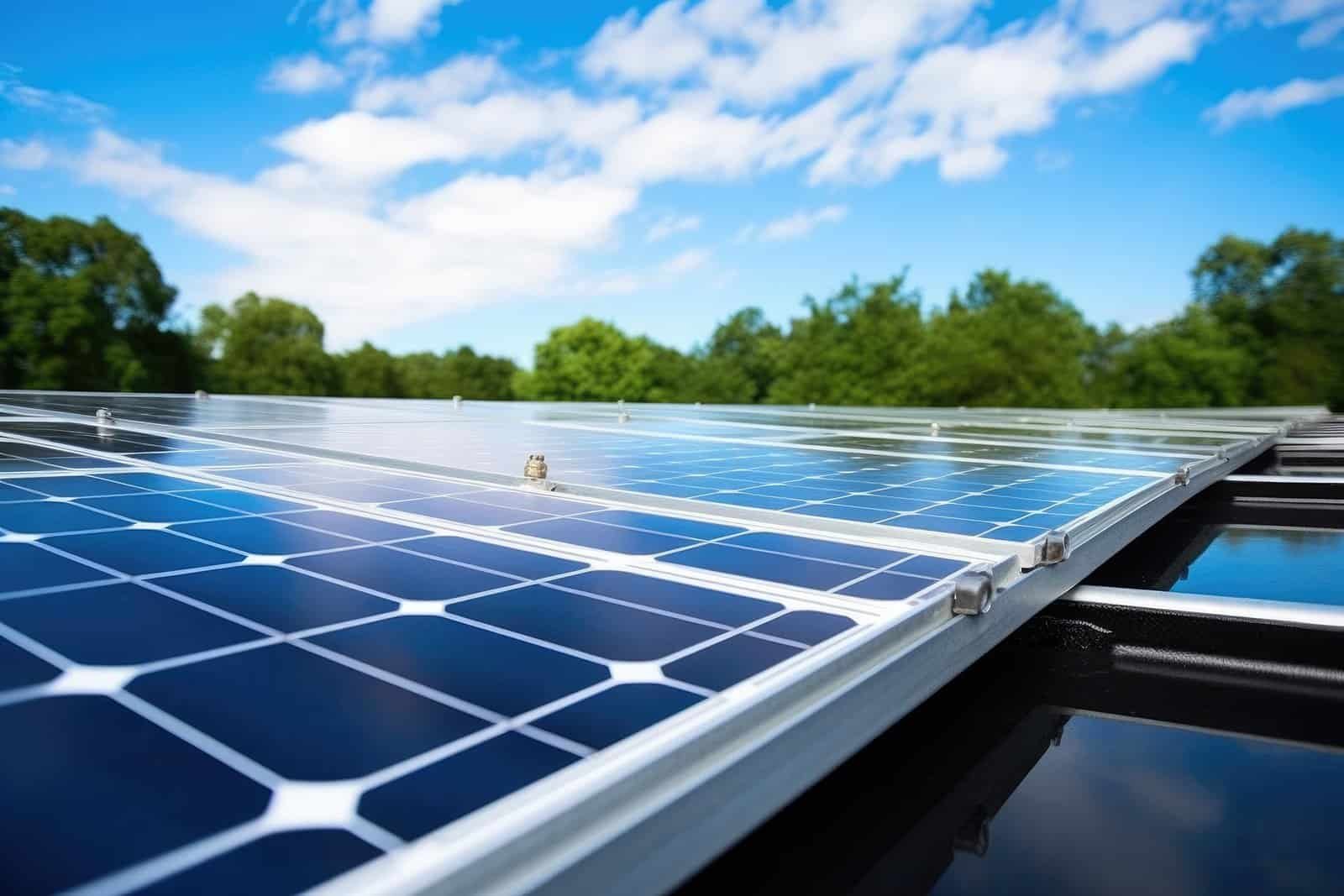
Few upgrades transform a campervan like solar power. It’s free, renewable, and silent - perfect for vanlife independence. Instead of relying on noisy generators or constant hook-ups, solar gives you steady off-grid energy. Even in the UK, where grey skies are common, panels deliver enough to keep fridges, lights, and devices running. Our Campervan Electrical Systems Explained shows where solar fits in the bigger picture.
Solar works by turning sunlight into usable 12v power for your leisure batteries. When paired with charge controllers, inverters, and smart monitoring, it becomes the backbone of many off-grid systems. Whether you’re parked up in Scotland for days or driving across Europe, a well-designed solar setup extends your independence dramatically. A starter solar kit (see our top choice on Amazon below) is a common first step.
The UK presents unique challenges. Long summer days in the south deliver generous harvests, but winter in the Highlands can see daily yields drop to a fraction. That’s why smart design matters - choosing the right panel type, charge controller, and battery bank ensures reliability year-round. Our Best Campervan Batteries & Inverter Setup explains how storage capacity ties directly to solar performance.
Common mistakes abound: undersizing panels, using cheap PWM controllers on big arrays, or skipping fuses altogether. Shading from roof racks or skylights can slash output if not accounted for. Our Common Beginner Mistakes & Fixes guide covers these pitfalls, saving you wasted money and endless frustration. Getting it right the first time means years of trouble-free power.
Solar isn’t a silver bullet - it’s part of a bigger charging strategy. In the UK especially, combining solar with alternator charging is crucial for winter resilience. Hybrid units like the Renogy DCC50S DC-DC + MPPT (see our top choice on Amazon below) simplify this by integrating alternator and solar charging into one device. Our Split Charging & Alternator Wiring Guide explains why hybrid setups are becoming the new standard.
Solar also scales with your lifestyle. A weekend van may get by with 100W and a small AGM battery, while a digital nomad might need 600W, lithium banks, and full monitoring. Our Power Management & Monitoring Systems guide shows how data helps balance harvest with demand. No two systems are identical - but the principles for sizing and design are universal.
This guide will cover everything: how Solar Power For Campervans works, panel types, sizing, charge controllers, wiring, hybrid setups, troubleshooting, and real-world examples. By the end, you’ll know exactly how to design, install, and maintain a campervan solar system that suits your budget and travel style. Whether you’re a weekend camper or a full-time vanlifer, solar power can give you the freedom to roam.
How Campervan Solar Power Works
At its core, campervan solar power is about turning sunlight into electricity you can actually use. Photovoltaic (PV) panels capture sunlight and convert it into DC current. That current flows through a charge controller, which regulates voltage before sending it to your leisure batteries. Once stored, that energy can be drawn directly by 12v appliances or converted to 240v using an inverter.
Solar panels are made up of silicon cells wired together in a grid. When sunlight hits them, electrons move, creating a current. The more cells and higher efficiency, the more power produced. In campervans, panels are usually 100W - 200W units, designed to be compact enough for roof space. A 100W monocrystalline solar panel (see our top choice on Amazon below) is the classic entry point for DIY builds.
Panels don’t produce their rated wattage continuously. A “100W” panel in the UK might average 40 - 60W in typical conditions. This is why system design needs to account for average daily harvest, not peak ratings. Our Solar Panel Sizing & Power Calculations section will show you how to match real output with your energy needs.
Solar output varies throughout the day. Peak power happens at midday when the sun is highest. In mornings and evenings, output drops sharply. Seasonal changes are even more dramatic - long summer days provide abundant power, while winter yields can be a tenth of summer capacity. This makes solar excellent for topping up batteries, but unreliable as the sole charging source in the UK.
The charge controller is a critical link in the chain. Without one, panels would overcharge batteries and cause damage. Controllers regulate voltage and current, ensuring batteries charge correctly and safely. There are two main types - PWM and MPPT. Our Charge Controllers: PWM vs MPPT section explains why MPPT is the smart choice for most UK setups.
Once electricity reaches your leisure batteries, it’s stored for later use. Batteries act as a buffer, smoothing out solar’s variable output. During the day, excess solar charges the bank; at night, loads draw from storage. AGM, Gel, and Lithium all store energy differently. Our Best Campervan Batteries & Inverter Setup hub explains why lithium banks make the most of solar harvest.
From the batteries, power flows to your 12v distribution system, feeding lights, fans, pumps, and fridges. For 240v appliances like kettles or laptops, you’ll need an inverter. This converts stored DC power into usable AC power. A 1,000W pure sine inverter (see our top choice on Amazon below) is common in smaller builds, while full-timers often step up to 2,000W or more.
One major benefit of solar is that it’s silent and automatic. Unlike generators, there’s no noise, fumes, or ongoing cost. Once installed, panels quietly harvest energy whenever light hits them. Even cloudy skies provide a trickle charge. Over a year, this free energy adds up, reducing reliance on campsites or alternator charging. It’s a one-time investment that pays off daily.
Solar is modular. You can start small - say, 100W - and expand later by adding more panels. As long as your controller can handle the extra input, the system grows with you. This makes it beginner-friendly. A 200W expandable solar kit is ideal if you want flexibility without ripping everything out for an upgrade.
Shading is solar’s nemesis. Even partial shade across one panel can slash output across the whole array. Roof racks, skylights, and roof boxes often cause unexpected shadows. This is why planning panel placement carefully is critical. Our Common Mistakes & Troubleshooting section shows how to spot and fix shading problems before they ruin efficiency.
Solar doesn’t work in isolation - it complements alternator and hook-up charging. Driving provides bulk current, solar maintains charge when parked, and hook-up guarantees power at campsites. Our Split Charging & Alternator Wiring Guide explains why hybrid systems are the most resilient. Solar is best thought of as the steady background source, not the only power input.
UK weather adds complexity. Panels produce best under direct sunlight, but output continues even on overcast days. A 200W panel might still provide 30 - 40W in grey skies, enough to offset lighting and device charging. For long winter stays, oversizing your array or combining solar with alternator charging is essential. Our Seasonal Performance in the UK section dives deeper into this.
Efficiency also depends on tilt and orientation. Roof-mounted panels are fixed flat, which isn’t optimal in winter. Portable panels allow you to tilt toward the sun, boosting performance significantly. A folding solar suitcase (see our top choice on Amazon below) is a smart addition for winter trips, letting you supplement roof panels without major modifications.
Cost is another factor. A basic 100W panel with PWM controller might cost £150 - £200, while a 400W MPPT system can run £1,000+. Larger lithium-ready setups can hit £2,000 - £3,000. While not cheap, solar systems pay back in campsite fee savings and convenience. Our Vanlife Budgeting & Costs guide shows how to factor solar into your overall van build budget.
The key takeaway is that campervan solar is simple in concept: panels → controller → batteries → loads. But the details - panel type, sizing, wiring, and monitoring - determine whether it works well or fails. Installed correctly, it’s a game-changer for independence. Get it wrong, and you’ll be constantly chasing flat batteries.
In the next section, we’ll explore the different types of solar panels available - monocrystalline, polycrystalline, rigid, flexible, and portable. Each has pros and cons in terms of cost, efficiency, and durability. Choosing the right panels is the first major decision in designing your campervan solar setup.
Types of Solar Panels for Campervans
Choosing the right solar panel is one of the most important decisions in a campervan build. Panels come in different technologies, shapes, and sizes - each with unique pros and cons. Your choice affects efficiency, cost, durability, and roof space. Some vans thrive on rigid roof panels, while others benefit from portable or flexible options. Understanding the types will save you costly mistakes.
The most common type is the monocrystalline panel. These use single-crystal silicon cells, making them highly efficient and compact. For campervans with limited roof space, monocrystalline panels deliver the most watts per square metre. A 100W monocrystalline solar panel is a popular starter choice. Our How Campervan Solar Power Works section explained how efficiency translates into real-world harvest.
Polycrystalline panels are another option. They’re made from multiple silicon crystals, making them cheaper but less efficient. This means you need more roof space to achieve the same wattage. For vans with large, flat roofs (like box vans or Luton builds), polycrystalline can be a cost-effective option. However, they’re less popular in modern conversions due to efficiency trade-offs.
Rigid panels are the toughest and longest-lasting. Framed in aluminium with tempered glass fronts, they withstand UK weather, hail, and long-term vibration. They also allow airflow underneath, helping keep efficiency high. A 200W rigid solar panel (see our top choice on Amazon below) is common in full-time builds. Our Real-World Solar Setups section shows how rigid arrays dominate most full-time vanlife systems.
Flexible panels are lightweight and thin, designed to bond directly to the roof. They look sleek, reduce wind drag, and are great for stealth campers. However, they often run hotter due to lack of airflow, reducing efficiency and lifespan. Cheap versions can delaminate or crack under UK frost cycles. A flexible 100W solar panel is a good option for small stealth builds.
Portable suitcase panels offer another approach. These folding panels can be set up when parked, angled toward the sun for maximum output. They’re perfect for vans that spend lots of time in shade or seasonal travellers needing winter boosts. A portable solar suitcase provides flexibility without roof drilling. Our Seasonal Performance in the UK section explains why they shine in winter.
Roof-mounted vs portable is often a lifestyle decision. Roof panels harvest power constantly, even while driving. Portable panels require manual setup but allow you to park in shade while charging in the sun. Many vanlifers combine both - roof panels for daily maintenance and a suitcase panel for extended stays. This hybrid approach maximises independence across seasons.
Weight is another factor. Rigid panels weigh more, which matters for payload-sensitive vans. Flexible panels are far lighter, sometimes less than 3kg each, but sacrifice lifespan. Portable panels sit in between, weighing 8 - 12kg. Always factor in mounting hardware, cabling, and brackets when calculating total roof load. Our Vanlife Budgeting & Costs guide covers how weight impacts legal payload limits.
Durability should not be overlooked. Rigid panels often last 20 - 25 years in static installs, though vibration in vans shortens this. Flexible panels rarely last more than 5 - 10 years, especially cheap models. Portable panels fall in the middle - lasting longer if stored properly. Spending a little more upfront on trusted brands avoids early replacements. A Victron 175W panel (see our top choice on Amazon below) is built for longevity.
Aesthetics matter for some. Flexible panels blend into the roof, making them nearly invisible. Rigid panels look bulkier but professional. Portable panels don’t affect appearance until deployed. For stealth vanlifers, invisible installs reduce attention in city parking. Our Complete Campervan Conversion Guide UK explains why stealth choices affect design decisions across the entire build.
Cost ranges widely. A 100W rigid panel might cost £80 - £120, while flexible panels are £100 - £150. Portable suitcases are pricier at £200 - £300 but include stands and controllers. Complete 400W roof arrays can hit £700 - £1,000. As always, balance budget with lifestyle. A 400W solar kit (see our top choice on Amazon below) is ideal for mid-range full-time UK builds.
Efficiency ratings are worth comparing. Monocrystalline panels often achieve 18 - 22%, while polycrystalline hover around 15 - 17%. Flexible panels usually run slightly lower due to heat retention. Don’t just compare wattage—check efficiency per square metre. This matters in smaller vans with limited roof space. Our Solar Panel Sizing & Power Calculations section shows how to translate efficiency into daily harvest.
Mounting also differs. Rigid panels use brackets bolted or bonded to the roof, sealed with gland kits. Flexible panels bond directly using adhesive. Portable panels require no permanent fixings but need storage space. Each method affects waterproofing, aerodynamics, and security. Our Wiring & Installation Basics section covers mounting techniques in detail.
Shade tolerance varies too. Some rigid panels use bypass diodes to keep output flowing if part of the array is shaded. Flexible and budget panels often lack this feature, making them more vulnerable. Portable panels avoid the issue by being movable. A bypass diode-equipped solar panel reduces losses in mixed-light conditions.
Future upgrades should be considered. Rigid panels are easiest to expand by adding more units. Flexible panels often age unevenly, making mixing brands tricky. Portable panels scale by adding extra suitcases, but this takes up storage space. Choosing expansion-friendly panels saves rewiring later. Our Power Management & Monitoring Systems guide explains why planning for upgrades is smart.
In summary, panel choice boils down to lifestyle: rigid for durability, flexible for stealth, portable for flexibility, polycrystalline for budget, and monocrystalline for efficiency. Many vanlifers mix types for balance. Whatever you choose, ensure panels match your travel style, roof space, and battery needs. Next, we’ll explore sizing and power calculations to match your panels with your actual energy demands.
Solar Panel Sizing & Power Calculations
Getting solar right isn’t just about buying panels—it’s about matching supply to demand. Oversize, and you waste money and roof space. Undersize, and you’ll constantly run short on power. Sizing starts with knowing how much energy you actually use daily. Our How Campervan Solar Power Works section introduced the basics - here we’ll dive into the numbers.
Start with your daily loads. Add up the wattage of devices and how long they run. A fridge drawing 45W for 12 hours uses 540Wh/day. LED lighting at 20W for 5 hours is 100Wh. Laptop charging at 60W for 3 hours is 180Wh. Total: 820Wh/day. Multiply by 1.3 to cover inefficiencies - about 1,070Wh/day. That’s your target for solar generation.
UK solar conditions complicate things. A 100W panel in summer might generate 400 - 500Wh/day, but in winter, just 80 - 150Wh. This means your panel count must consider seasonal lows. If you only travel in summer, 200W may suffice. Full-timers need 400W+ to ride through grey UK winters. Our Seasonal Performance in the UK section explores this in detail.
A simple rule of thumb: in the UK, expect 3 - 5 times panel wattage in Wh per summer day and 0.5 - 1.5 times in winter. So a 200W system yields ~800Wh/day in summer but just 200Wh in winter. Always design for your worst-case scenario unless you’re happy to supplement with alternator or hook-up charging.
Paragraph 5
Here’s an example table:
Daily Use (Wh)Summer (200W panels)Winter (200W panels)Recommended Size
500Wh (lights, phone, small fridge)✅ Covered❌ Short by 300Wh300 - 400W
1,000Wh (fridge, laptop, lighting)✅ Covered❌ Short by 800Wh500 - 600W
2,000Wh (induction hob, Starlink)❌ Needs 400 - 600W more❌ Impossible800 - 1,000W + hybrid
Battery capacity ties directly to panel size. A 200Ah AGM battery stores ~1,200Wh usable energy, while a 200Ah lithium stores ~2,400Wh. If your daily use is 1,000Wh, you’ll want both panels to replace it and batteries to buffer cloudy days. Our Best Campervan Batteries & Inverter Setup explains why lithium pairs better with solar due to deeper usable capacity.
Panel efficiency per square metre matters when roof space is limited. Monocrystalline panels deliver ~180 - 200W per square metre, while polycrystalline may be closer to 150W. Flexible panels often underperform in real-world conditions. A 200W monocrystalline panel maximises output in tight spaces, making it ideal for smaller vans like VW Transporters.
Consider your roof layout. Skylights, vents, and racks all eat into available space. Two 100W panels may fit better than one 200W, depending on roof geometry. Always plan panels on paper before buying. Our Types of Solar Panels section explains why portability can help when roof space is maxed out.
Over-paneling is a real risk. Adding more panels than your charge controller or battery bank can handle wastes energy and stresses equipment. For example, a 20A PWM controller maxes at ~260W on 12v systems. Upgrading to a Victron SmartSolar 100/30 MPPT (see our top choice on Amazon below) allows 440W of panels safely. Always size the controller before adding extra panels.
Your travel style dictates panel size. Weekend warrior? 100 - 200W may be enough. Full-time off-grid? Plan for 400 - 600W minimum. Heavy users with Starlink or induction cooking may need 800W+, which often requires box vans or Luton-style builds. Our Real-World Solar Setups section breaks down system sizes for different lifestyles.
Hybrid setups make smaller solar arrays more viable.
https://theferalway.com/solar-power-for-campervans-uk-guide/


Comments
Post a Comment