Complete Campervan Conversion Guide UK
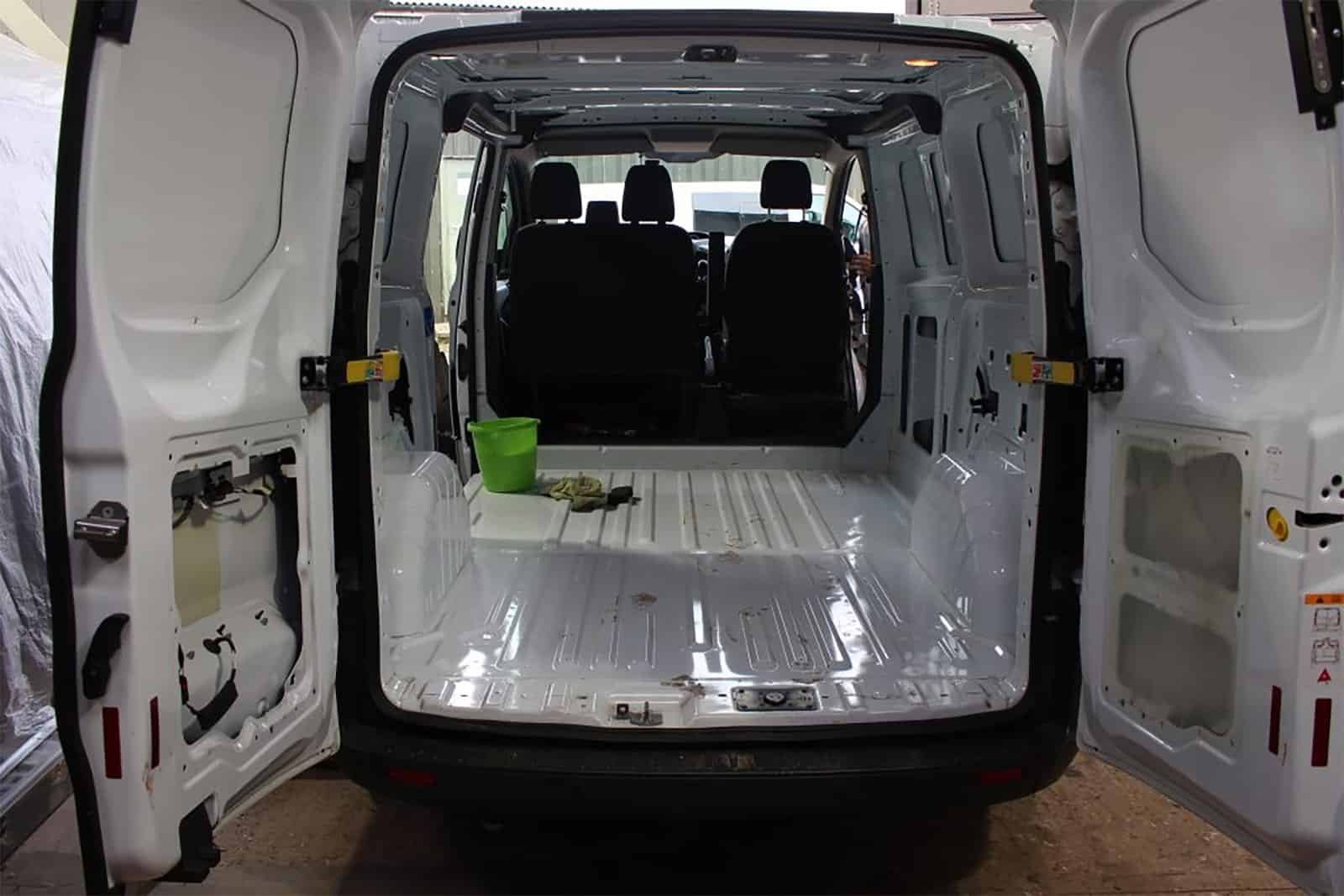
I've converted four campervans. The first was an absolute disaster that cost me £2,400 in mistakes I had to rip out and redo. The second was better, but I still discovered fundamental problems six months in that required tearing half of it apart. The third? Finally got it right. Mostly.
And that's the thing about van conversions — everyone makes it look easy on YouTube. Quick timelapse, some upbeat music, couple of weekends, and boom, you've got a rolling home that looks like it belongs in Architectural Digest. What they don't show is the three weeks you spent ripping out dodgy wiring because you didn't use proper fuses, the insulation that's now growing mould because you forgot vapour barriers, or the £600 leisure battery that died after four months because you cheaped out on the charging system.
This guide is everything I wish someone had told me before I started. No Instagram-perfect rubbish. No glossing over the difficult bits. Just the reality of converting a van in the UK, what it actually costs when you add up all the bits you forgot to budget for, and how to avoid the expensive cock-ups I made so you can make your own unique mistakes instead.
I'm not going to tell you this is easy. It's not. But it's definitely doable, even if you're not particularly handy. I'd definitely never installed insulation or built furniture. You learn as you go. You just need to be prepared for the learning curve to be expensive.
Table of Contents
- Is Converting a Van Actually Worth It?
- Choosing Your Base Van: What Actually Matters
- Legal Stuff (Boring But Important)
- Planning Your Layout
- Essential Tools & Workshop Space
- The Complete Build Process (Step-by-Step)
- Strip Out
- Rust Treatment & Soundproofing
- Insulation (The Most Important Decision)
- Electrical Systems (12V & 240V)
- Plumbing & Water Systems
- Gas Systems & Heating
- Building the Furniture
- Wall & Ceiling Lining
- Flooring
- Windows & Ventilation
- Final Touches
- Realistic Cost Breakdown (Three Budget Levels)
- Living With Your Conversion
- Common Problems & Solutions
- What I'd Do Differently
Is Converting a Van Actually Worth It?
Let me be straight with you. A basic campervan conversion will cost £3,000-£8,000 if you do it yourself on a tight budget, £8,000-£15,000 for a decent quality DIY build, or £15,000-£35,000+ if you pay someone else. That's a lot of money for something that'll leak occasionally, creak constantly, and drive you mental at least once a month.
I've spent about £38,000 across three vans (including purchasing the vans themselves). My current setup is worth maybe £22,000 if I sold it tomorrow. So I'm £16,000 down on paper. Not exactly a sound financial investment.
But here's why I keep doing it: freedom. Proper freedom. Not the Instagram marketing version where everything's sunrise yoga and perfect coffee shots. The kind where you can park up in the Cairngorms for a week, work from a layby with a sea view, or bugger off to Wales on a Friday afternoon without booking anything or spending £150 a night on accommodation.
I've slept in 43 different locations this year. I've worked from Scottish beaches, Welsh mountains, and Cornwall car parks. I've spent maybe £800 on campsites total because most of the time I'm wild camping legally (which I'll cover later). Try doing that in hotels.
You should convert a van if:
- You actually want to use it regularly (minimum 30-40 nights a year to justify the hassle)
- You're prepared to fix things yourself at 11pm in a layby
- You can live with compromises — limited space, basic amenities, no shower (unless you add one)
- You have realistic expectations about wild camping in the UK (it's not as easy as Scotland makes it look)
- You enjoy the process of building things (because if you don't, you'll hate every minute)
- You're happy maintaining something ongoing (this isn't fit and forget)
Don't bother if:
- You want hotel comfort on wheels
- You're not handy with basic DIY (or willing to learn)
- You need everything to be perfect and finished
- Your budget is already maxed out (it always costs more than planned)
- You're doing it because it looks cool on social media
- You get stressed by things breaking or not working
The third point is crucial. I've met so many people who've spent £20,000 on a conversion, used it twice, and sold it at a massive loss because they couldn't handle the reality. A van is not a house. It's not even a caravan. It's a compromise that gives you mobility in exchange for comfort.
Choosing Your Base Van: What Actually Matters
This is where most people overthink it. I've driven Transit Customs, Sprinters, Transporters, Vivaros, Trafics, Crafters, and a Fiat Ducato that I still have nightmares about. They've all got pros and cons. None of them are perfect.
The Realistic UK Options
VW Transporter (T5/T6/T6.1)
- Price: £8,000-£30,000 depending on age/mileage
- Engine: 2.0 TDI (102bhp, 140bhp, 150bhp, 199bhp variants)
- Size: 4.9-5.3m long, 1.9m wide, 1.99m high (standard roof)
- Best for: Stealth camping, city parking, fuel economy (35-40mpg)
- Reality check: Everyone wants one, so you're paying the VW tax. A 2015 Transporter costs the same as a 2018 Transit Custom. Parts aren't cheap either — an alternator is £280 vs £140 for a Transit. Service costs are higher. But they hold value better and the driving experience is nicer.
I nearly bought a T5.1 in 2019. Test drove three. All had DMF (dual mass flywheel) issues that would've cost £1,200-£1,500 to fix. Walked away from all of them. If you're buying a Transporter, budget £1,000-£2,000 for immediate repairs unless you're getting a pristine example.
Mercedes Sprinter (2006-2018 models)
- Price: £6,000-£25,000
- Engine: 2.1 CDI (various outputs) or 2.2 CDI
- Size: Multiple lengths — SWB 5.9m, MWB 6.9m, LWB 7.4m
- Best for: Standing height, long trips, full-time living
- Reality check: Big. Properly big. The MWB won't fit in most car parks. You'll struggle in narrow UK lanes, historic town centres, and anywhere with width restrictions. But if you want a shower, toilet, and proper kitchen, this is your van.
I drove one for six months. Loved the space. Hated parking in literally every UK town. Got stuck in a Lake District village and had to reverse 200 metres with tourists watching. Would I buy another? Only if I get to going full-time.
Ford Transit Custom (2012-present)
- Price: £7,000-£22,000
- Engine: 2.0 TDCi (various outputs: 105, 130, 170bhp)
- Size: SWB 4.97m or LWB 5.34m, 2.06m wide, various heights
- Best for: Middle ground between size and practicality
- Reality check: Reliable, common parts (clutch £280, alternator £140), good fuel economy (38-42mpg), easy to drive. Not as trendy as VW which means better value. This is what I'd buy again.
My current van is a 2017 Transit Custom, medium wheelbase, medium roof (allows standing if you're under 6ft). Paid £12,400 with 78,000 miles. It's had one fault in 30,000 miles — a DPF sensor that cost £80 to replace.
Renault Trafic/Vauxhall Vivaro/Nissan Primastar (same van, different badges)
- Price: £5,000-£15,000
- Engine: 2.0 dCi or 1.6 dCi
- Size: Similar to Transit Custom
- Best for: Budget conversions where you want decent size
- Reality check: Often ex-fleet vans with high mileage. They're cheaper for a reason — quality isn't quite Transit or VW level. But they're fine if you're not fussy. Check the service history properly because fleet vans get thrashed.
Fiat Ducato/Peugeot Boxer/Citroën Relay (another badge-shared family)
- Price: £5,000-£18,000
- Engine: 2.3 JTD or 2.0 BlueHDi
- Size: Massive range of sizes available
- Best for: Standing height on a budget (higher roofs than most)
- Reality check: Popular with professional converters because of the size options. Driving experience isn't great — feels cheap and plasticky. But you get a lot of van for the money.
What I'd Actually Buy Today
If I was starting fresh with a £12,000 budget for the van itself:
Option 1: £11,000-£13,000 — Ford Transit Custom (2016-2018)
- Medium wheelbase (5.34m)
- Medium roof (1.78m internal height)
- 130bhp diesel
- Under 100,000 miles
- Full service history (non-negotiable)
- Ideally with bulkhead already fitted
Why? Parts are everywhere. Every mechanic can work on them. Insurance is reasonable. Good fuel economy. And you can actually stand up inside with medium roof if you're under 6ft tall.
Option 2: £10,000-£12,000 — VW Transporter T5.1 (2010-2015)
- Standard wheelbase
- Standard roof (you won't stand up, but that's fine)
- 140bhp diesel
- Under 120,000 miles
- Cambelt and water pump already done (or budget £800 for it)
- Check the DMF — listen for rattling when starting
Why? Better driving experience. Better fuel economy (40mpg vs 38mpg). Easier to park. Cooler looking (if you care). But you're paying £2,000 more for an older van with more miles.
I went with the Transit. No regrets.
Critical Checks Before Buying ANY Van
I've looked at 27 vans across my three conversions. Here's what I check every time:
1. Service History (Absolutely Critical) Full service history or walk away. I don't care how shiny it looks. No history means you're buying problems.
What I'm looking for:
- Services at correct intervals (not "I do it myself, mate")
- Cambelt changes on schedule (usually 5 years or 100k miles)
- Major work receipts (turbo, injectors, DPF, DMF)
2. Rust Inspection (Get Underneath) Bring a torch. Get under the van. Check:
- Chassis rails (especially near rear axle)
- Floor panels around sliding door runners
- Inside the fuel filler cap area
- Wheel arches and sills
Surface rust is fine. Holes or flaky rust that comes away in chunks? Walk away unless you're prepared to deal with it.
3. Mechanical Tests
- Start from cold — does it rattle? (DMF issue)
- Does it smoke on startup? (injectors or turbo)
- Check the oil — milky colour means head gasket problems
- Test the heater on full blast for 10 minutes (heater replacement is £400-£800)
- Check for DPF warning lights
4. Payload Capacity This is huge and everyone ignores it. Your van has a gross vehicle weight (GVW). Subtract the unladen weight. That's your payload.
My Transit Custom has 1,050kg payload. Sounds like loads. But:
- Furniture and insulation: 250kg
- Electrical system and batteries: 80kg
- Water (40L full): 40kg
- Two people: 160kg
- Clothes, food, gear: 100kg
- Bikes on a rack: 40kg
Total: 670kg. I'm fine. But I've seen people overload vans by 300kg+ and not realise until they get pulled by DVSA.
5. The "Does It Have a Bulkhead?" Question You'll need one for insurance. If it doesn't have one, add £250-£400 to your budget. Some people try to argue that a plywood one is fine. Some insurers accept it. Some don't. I wouldn't risk it.
6. Windows Buying a van with windows already fitted saves you £500-£1,200 and a lot of stress. Cutting holes in a van is nerve-wracking.
Legal Stuff (Boring But Actually Important)
Right. Before you rip out the interior and start Instagramming your progress, understand this: the DVLA doesn't care about your Pinterest board. They care about weight, windows, and whether you're taking the piss with the classification.
DVLA Motor Caravan Reclassification
If you want your van to be a "Motor Caravan" on the V5C (which helps with insurance costs, some parking restrictions, and speed limits on single carriageways), you need to meet specific criteria.
The actual requirements:
- Fixed furniture for sleeping — A bed. Not a mattress on the floor. Actual fixed or fold-down bed frame.
- Fixed furniture for cooking — A hob (even a single burner) and worktop. Built in, not just a camping stove balanced on a box.
- Fixed furniture for storage — Cupboards or drawers that are secured to the van.
- Seating — The cab seats count, but you should have additional seating in the living area.
- A table — Can be removable but must be there. Size matters — apparently. More on this in a minute.
- Windows — At least one on each side of the van (not including cab doors). Roof windows count.
The process:
Fill in a V5C application form, include photos showing:
- The bed (from multiple angles)
- The cooking area with hob
- The seating area with table
- The storage
- External shots showing windows
- Vehicle weight plate
Then wait. And wait. Processing time is currently 6-8 weeks.
My experiences:
Conversion 1 (2019): Approved after 5 weeks. No issues.
Conversion 2 (2021): Rejected initially. They said my table was "too small". It was 40cm x 60cm. I wrote back pointing out that's bigger than most airline tray tables and larger than the tables in many motorhomes. They approved it on appeal after another 4 weeks.
Conversion 3 (2023): Requested an inspection. Inspector came, spent 10 minutes looking around, approved it. Got the V5C back 3 weeks later.
Top tip: Include photos of EVERYTHING. The more comprehensive your submission, the less likely they are to reject it or request an inspection.
Insurance for Converted Vans
Get insurance quotes BEFORE you buy the van. Seriously. Some insurers won't touch self-conversions. Others charge double for under-25s or drivers with less than 2 years' experience.
Good UK insurers for self-conversions:
- Comfort Insurance — Best rates I've found, cover self-builds up to £15,000 conversion value
- Safeguard — Slightly more expensive but very flexible on modifications
- Adrian Flux — Specialist knowledge, good for unusual builds
- A-Plan — Decent rates for over-30s with clean licences
- Caravan Guard — Good if you're using it like a motorhome (occasional use)
What affects your premium:
- Your age (under 25 = significantly more expensive)
- Where you live (city centre vs rural)
- Conversion value (declare honestly — they WILL check after a claim)
- How you'll use it (full-time living vs weekend trips)
- Security (alarms, trackers, steering locks reduce premiums)
- Driving history (obvious)
My premiums:
- Age 28, living in Bristol: £780/year
- Age 31, living in rural Wales: £420/year (same van, same driver)
Location makes a massive difference.
Critical: Declare EVERYTHING. Undeclared modifications = no payout. I've seen someone lose a £18,000 claim because they didn't declare their solar panels.
MOT Considerations for Conversions
Your van needs an MOT. If you've added weight, check you're not over the manufacturer's GVW (it's on a plate inside the door jamb or in the manual).
Things that fail MOTs on conversions:
Gas systems without proper ventilation:
- High-level vents required (above the cooker)
- Low-level vents required (for heavier-than-air gas leaks)
- Drop-out holes in floor if you have an underslung LPG tank
Electrical work that looks dodgy:
- Exposed wires (everything must be sheathed or in conduit)
- No fusing (everything must be properly fused)
- Battery not secured (it can't move if you crash)
- Wiring running across sharp metal edges
Weight distribution issues:
- Can't be obviously tail-heavy or nose-heavy
- Suspension can't be overloaded (rear sagging badly)
Non-secured items:
- Furniture must be fixed (it can't become a projectile)
- Gas bottles must be secured properly
- Loose items that could hit the examiner aren't ideal
My approach: Get a pre-MOT check before you book the real thing. Costs £30-£40 and saves you the hassle of a fail. I use a local garage that's done loads of conversions. They know what they're looking for.
Speed Limits (Actually Matters)
Panel van (N1 classification):
- 70mph on motorways
- 60mph on dual carriageways
- 50mph on single carriageways
Motor caravan (M1 classification):
- 70mph on motorways
- 70mph on dual carriageways
- 60mph on single carriageways
That 10mph difference on dual carriageways actually matters on long trips.
Wild Camping Legal Status
Scotland: Legal under the Scottish Outdoor Access Code. You can camp pretty much anywhere as long as you're respectful. This is brilliant.
England and Wales: NOT legal without landowner permission. But enforcement is patchy. If you're discreet, don't take the piss, and move on when asked, you'll mostly be fine.
What "discreet" means:
- Not parking directly on the beach or in obvious beauty spots
- Arriving late, leaving early
- No BBQs, no generators, no awnings
- Taking your rubbish with you
- Not staying multiple nights in the same spot
I've wild camped 200+ nights in England and Wales. Been moved on twice. Both times were fine — just "Sorry, you can't stay here, there's a campsite 3 miles up the road." No drama.
Planning Your Layout: Getting This Right Matters
I've seen people spend hours debating whether to put a shower in a van that's 1.8 metres wide. Let's be realistic about what you actually need and what actually works in a small space.
Understanding Your Space
A medium wheelbase Transit Custom has about 7.5 cubic metres of usable space. That sounds like loads until you start putting things in it.
My current van:
- Length (cargo area): 2.6m
- Width (internal): 1.7m
- Height (internal): 1.75m
That means:
- My bed takes up 1.9m x 1.4m = 40% of floor space
- Kitchen area: 0.8m x 0.6m = another 10%
- Storage and seating: the rest
The Essential Zones (In Order of Priority)
1. Sleeping Area
You need to sleep properly. A bad bed ruins everything. I tried sleeping on a 1.1m wide bed for three months in my first conversion. My back still hasn't forgiven me, and my relationship nearly didn't survive.
Minimum dimensions:
- Single: 1.9m x 1.2m (I wouldn't go narrower)
- Small double: 1.9m x 1.4m (comfortable for two)
- Proper double: 1.9m x 1.6m (requires LWB van)
Bed types:
Fixed bed (what I use):
- Pros: Always ready, comfortable, storage underneath
- Cons: Takes up permanent space, limits flexibility
- Cost: £150-£300 in materials
Rock and roll bed:
- Pros: Doubles as seating, quick conversion
- Cons: Expensive (£1,200-£2,500), not as comfortable, limits rear access
- Cost: £1,200-£2,500 for a decent one
DIY slat bed:
- Pros: Cheap, simple, comfortable with right mattress
- Cons: Takes up permanent space
- Cost: £100-£200
- This is what I built. 18mm ply base, 47mm x 75mm timber frame, slats across the top, 4-inch memory foam mattress on top.
2. Cooking Zone
You need a hob and a worktop. That's it. You don't need a four-ring cooker, an oven, and a grill. This isn't MasterChef.
https://theferalway.com/complete-campervan-conversion-guide-uk/


Comments
Post a Comment